
A Scottsdale small business client just asked me about a term called “link equity”. I was actually quite surprised, because that is an SEO phrase that most non-SEO people aren’t usually familiar with. So, after I explained the concept behind link equity to our client, I decided it might be a good idea to share that explanation with you, too.
What is Link Equity and How Does It Work?
Search engines, particularly Google, often rank web pages based on how many other websites trust them. This idea is central to how websites gain greater importance online.
As such, link equity is a digital vote of confidence from one website to another. This is what some refer to as credibility by association.
The following is an analogy I like to use when explaining this concept to clients:
Let’s say you go to your favorite restaurant and you see Jeff Bezos, founder of Amazon, and me sitting at a table together. Now, even though you recognize Mr. Bezos, perhaps you don’t know who I am. But because I am sitting at the table with a very important and well-known global businessman, you would likely assume that I must be important too.
Thus, I’ve gotten a vote of confidence just from sitting with someone who you recognize to be a very important person. This is essentially how link equity works between websites. That is, when an established, more “authoritative” (trusted by Google) website links to your website, this tells Google that your website is trustworthy and worth paying attention to.
How Link Equity Flows
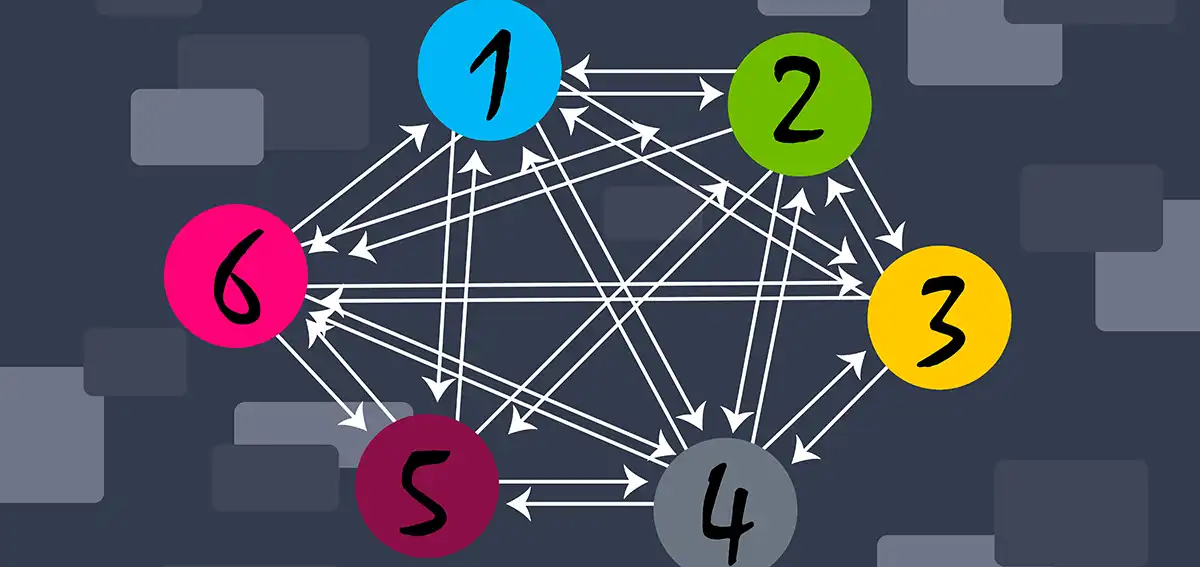
Think of your website’s authority (trust and importance) like your reputation within a community. It flows naturally between pages and across the web in three simple ways:
- Internal Links (Sharing Your Strength): You can pass your website’s reputation from your strongest pages to your less-visited ones. Linking from a page that already has a great reputation to a core service page tells Google, “This service page is really important to us.”
- Inbound Links (Votes of Confidence): When another website links to yours, it is an external endorsement. These are your most valuable assets because they prove to Google that independent creators and businesses out on the web trust your information.
- Outbound Links (Being a Helpful Neighbor): Linking out to a reputable external website does not drain your own website’s power. Instead, pointing your readers toward helpful, trusted resources shows Google that you care about providing a thoroughly good experience.

The Journey of Authority: How Value Moves Between Pages
You might now wonder exactly how this reputation moves from one web page to the next. It involves more than just putting a link on a page.
The Magic Behind the Scenes: PageRank
Years ago, Google created a system called PageRank to score the value of every web page on the web. Think of it like a digital popularity contest where the judges are other websites. Google’s modern system is much more complex today, but the core rule is exactly the same: the more high-quality websites that vote for you, the more important Google thinks you are.
How the Value Transfers
When a strong web page links to another web page, it shares a piece of its own reputation score. It is like a trusted expert recommending a local business. That recommendation instantly makes the other web page look more valuable to Google.
What Changes How Much Value a Link Passes?
At this point, you might be wondering if the value passed by all links is the same. And the answer is no, not all links are created equal. Several simple factors change how much reputation a link actually passes from one web page to the next:
- Where the Link Lives (Placement): A link placed naturally inside your main article body passes much more value than a link hidden away in a footer or sidebar. Google assumes readers pay more attention to the main content.
- The Clickable Words (Anchor Text): The exact words you click on that tell search engines what the next page is about. Using descriptive words like “our web design services” is much more powerful than generic text like “click here.”
- The “Do Not Pass” Tag (Nofollow Attributes): Standard links automatically pass value. However, website owners can add a hidden tag called a “nofollow” attribute. This tells Google: “Link to this site, but do not share our reputation with them.”
- The Crowd Level (Link Proximity): Links that are bunched up close to a dozen other links pass less value than a single, isolated link. Think of it like splitting a pie, the more links sharing the page’s power, the smaller the slice each link gets.
Why Link Equity is Crucial for SEO Success
So far, I’ve explained what link equity is, how it works and its value. Now, I’d like to talk about why it’s so important for successful SEO implementation.
Building up your website’s link reputation helps your business in three major ways:
Climbing the Search Leaderboard (Higher Rankings)
Remember, links act like digital votes of confidence. When many high-quality websites vote for your pages, Google starts seeing you as a trusted expert. This boost in reputation is what pushes your website out of the hidden corners of the web and up onto the coveted front page of search results.
Bringing in Eager Visitors (More Traffic)
Most people never click past the first page of Google. By ranking higher, more people will naturally discover your business. As a bonus, when a popular website links to your content, their readers will often click that link directly. This brings a steady stream of interested visitors straight to your digital doorstep without them even needing to search Google first.
Borrowing Instant Trust (Credibility)
When a famous, well-loved local business recommends you, people instantly trust you more. Links do the exact same thing online. When a highly reputable website links to your work, they are lending their hard-earned credibility to your brand. Over time, these quality recommendations permanently establish your website as a trusted authority in your industry.
Simple Strategies to Build and Manage Your Website’s Reputation
You don’t need to be a coding genius to start growing your website’s authority. You can improve your link reputation by focusing on two main goals: getting outside endorsements and organizing your own web pages.
Getting High-Quality Outside Endorsements (Inbound Links)
The best way to build trust is to get other reputable, relevant websites to link to you. Here are the easiest ways to do that:
- Create “Share-Worthy” Content: Write highly useful articles, guides, or original industry studies. When your content provides real value, other website owners will naturally want to reference and link to it.
- Pitch a Human-Interest Story: Contact your local news station and pitch a story about your company to the assignment desk or a specific reporter. For example, if you are a woman-owned business or if you recently offered pro-bono services to a member of the local community, a local news agency might want to cover it. If they run the story, they will almost always include a high-value link to your website.
- Write Guest Articles: Reach out to respected blogs or online magazines in your industry and offer to write a free, helpful article for them. In exchange, you can include a natural link back to your own website (backlink).
- Find and Replace Broken Links: While browsing industry blogs, you might occasionally click a link that leads to a dead “404 Error” page. If you notice this, politely email the site owner, let them know they have a dead link, and suggest your own relevant article as a perfect, helpful replacement.
- Get Listed on Resource Pages: Many industries have “Helpful Resources” pages that list top tools, guides, or local businesses. Find these pages in your niche and pitch your content to the owner as a great addition to their list.

Organizing Your Own Web Pages (Internal Linking)
Did you know that you have total control over how authority moves within your own website? You can use these steps to guide Google to your most important web pages:
- Pass Strength Down the Hierarchy: Find the web pages on your website that already have the highest reputation (like your homepage). Intentionally add links from those strong pages to your newer or most important service pages. For example, if you run an HVAC repair business in Scottsdale and just launched a new “A/C Tune-Up” page, linking to it directly from your homepage tells Google it’s a high priority.
- Use Descriptive Clues: When linking between your web pages, avoid using generic anchor text like “click here.” Use descriptive, natural phrases in your main content so Google and your readers know exactly what to expect on the next web page. For example, if you run a pest control company in Scottsdale and have a “Humane Bee Removal Services” option on your home page, rather than using a generic “Learn More” button, use a descriptive “Humane Bee Removal” link.
- Do a Quick Link Cleanup: Every few months, look through your top blog posts. Make sure they are actively linking out to your main sales pages, contact forms, or core service pages to keep your digital authority flowing exactly where you want it.
I hope this article has given you a straightforward understanding of link equity and how it helps your website grow.
 EMAIL US