
When you click on a link within a web page, you do so, based on what the text of that link says, with an expectation that you will be redirected to another web page that gives you more information related to the “anchor text” within that link.
In Simple Terms, What is Anchor Text?
In a nutshell, anchor text (not image links or raw URLs) is the visible, clickable “text” part of a web page link that provides the context for where the link will take the reader.
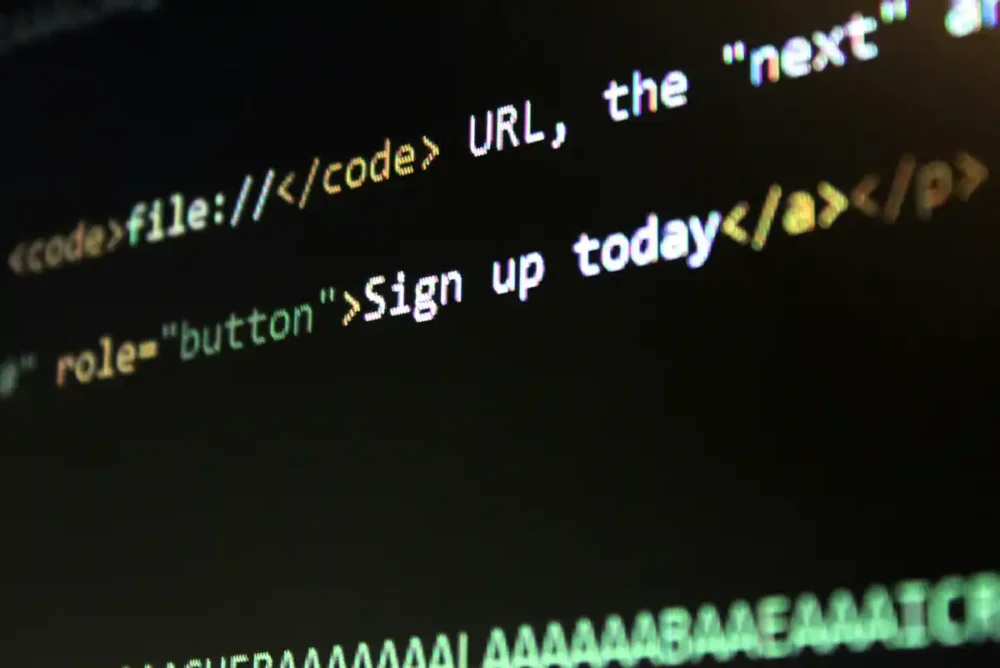
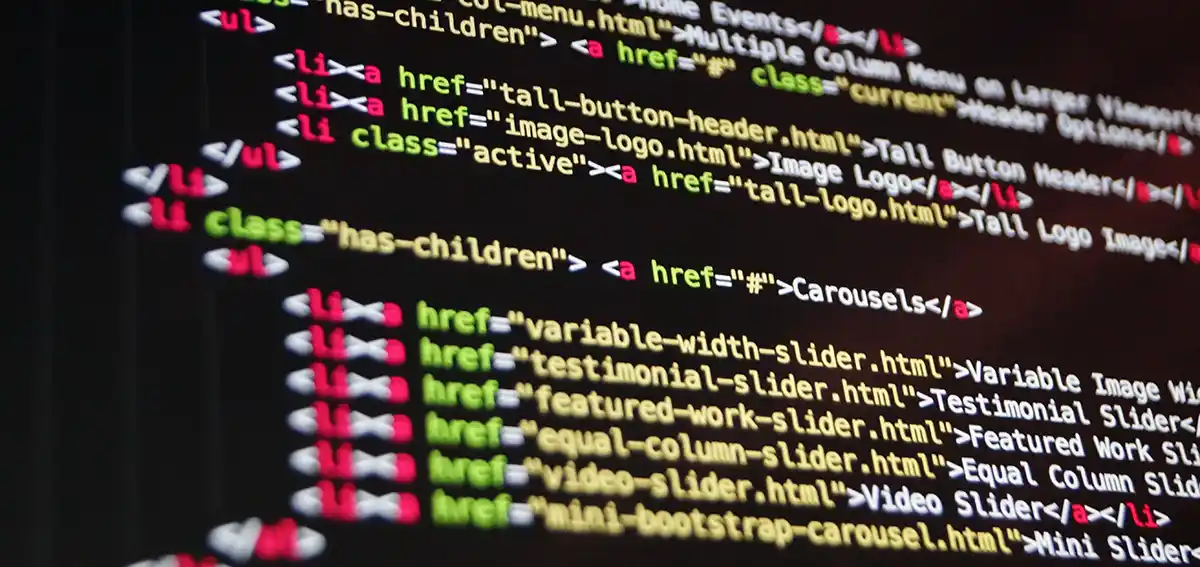
In the following example, <a href=”https://prominentweb.com/blog/what-is-an-accent-color-in-web-design/”>What is an Accent Color in Web Design?</a>, the href part tells the browser where to go (the destination URL), while the text (What is an Accent Color in Web Design?) between the opening <a> and closing </a> tags, is what the visitor reads and clicks on that informs them of the information that should be expected on the web page (or file download, email, sms, or phone call) to which they are directed. Keep in mind that when a link is clicked, a browser might not always successfully go to the destination. Security settings, broken links, or missing device apps (like an email client) can block the final action.
Types of Anchor Text
You can categorize anchor text in several ways based on how specific the words are.
- Exact Match: This uses the exact keywords you want to rank for, such as “wireless keyboards.”
- Partial Match: This includes the keyword along with other words, like “wireless keyboards under $50.”
- Branded: This uses your company or website name, like “Logitech” or “HP.”
- Naked URL: This displays the actual web address, such as www.prominentweb.com.
- Generic: This uses phrases like “click here” or “read more.”
- Image Alt Text: If an image is a link, search engines look at the “alt” text as the anchor text.
Anchor Text in SEO
Anchor text is one of many factors that helps search engines like Google understand the topic of the page being linked to. Keep in mind that repetitive, exact-match external anchor text patterns can cause Google’s automated systems to devalue those links entirely. In extreme cases of deliberate, large-scale link schemes, Google may issue a manual action penalty.
Signaling Relevance to Search Crawlers
Search bots, such as Googlebot, read anchor text, along with its surrounding textual context, to understand the topic of the destination web page.
When a reputable website links to your web page using descriptive anchor text words like “how to hard boil an egg,” Google uses that anchor text as one of many ranking signals to evaluate your page’s relevance. This helps the search engine index and rank your content for related search queries.
Thus, you can improve your search engine visibility by using descriptive, natural and varied anchor text for your internal linking to help search engines understand your site structure and page hierarchy, while strictly avoiding excessive keyword stuffing that could trigger spam filters.
Impact on Google PageRank and Link Equity
Passing search authority, or “link equity,” relies heavily on standard followed links with the following caveats:
Google treats nofollow, ugc and sponsored tags as “hints”. As such, Google may still pass search authority through links that are technically not “standard followed links.” This of course, depends on whether the context warrants it.
The specific anchor words and the surrounding sentence copy serve as a critical thematic roadmap, telling search engines precisely what the target page covers.
While using a varied blend of natural, descriptive anchor text links safely establishes subject-matter authority, intentional implementation of an unnatural repetition of identical keyword phrases could trigger algorithmic devaluation, or in rare cases a manual or algorithmic penalty. However, it is important to recognize that Google hardly ever issues a manual penalty for internal link over-optimization. Instead, such manual penalties are almost exclusively triggered by manipulative, external backlink schemes.
User Experience and Click-Through Rate
When you implement transparent anchor text, it informs visitors precisely what content awaits them upon clicking. For example, a link that is labeled “download our PDF owner’s manual ” sets clear expectations, whereas ambiguous links can discourage user engagement. While search engine algorithms, such as those used by Google, primarily use anchor text to understand the context and relevance of the linked page, creating a descriptive user experience helps optimize your website for overall engagement and search visibility.
Best Practices for Building a Natural Anchor Text Profile
An effective approach to link building involves embedding links within deeply related, search-term-aligned phrasing. Whether managing on-site internal links or acquiring off-site backlinks, the clickable anchor text must always give the visitor a clear idea of what to expect when the link is clicked.
Common Anchor Text Mistakes to Avoid
Some anchor text practices can harm your website. Avoid these pitfalls to keep your website in good standing.
Over-Optimization and Keyword Stuffing Anchor Text
Never force keywords into your links just to boost rankings. If every link to your page uses the exact same phrase, it looks like spam. That’s because search engines like Google have specific updates that target this type of behavior. You should keep your language natural and varied.
Using Irrelevant or Misleading Anchor Text
Never use anchor text that promises one thing but leads to something else. For example, if your anchor text says “free coupon code” but leads to a store page without one, you lose user trust. This can increase bounce rates as it degrades user experience. Always ensure the link text matches the actual content on the landing page.
Using Overly Generic Anchor Text
Avoid “click here” or “read more” whenever possible. These phrases tell the search engine nothing about the target page. They also waste a perfect opportunity to use a descriptive phrase. Replace them with specific text that explains the destination. A good example of anchor text might be “Download Our Free Guide to Better Health”.
 EMAIL US